

Key Takeaways
- Habitat Preferences: Lizards choose specific habitats that provide warmth, food, and shelter, influencing their seemingly stationary behavior.
- Territoriality: Many lizard species are territorial, defending prime spots to attract mates and secure resources, resulting in repeated visits to specific locations.
- Feeding Behavior: Although lizards can remain in one place, they often explore their immediate surroundings for food but tend to return to favored basking spots.
- Seasonal Influence: Lizards adjust their activity levels with the seasons, becoming less active in cooler weather and more mobile during warmer months.
- Species Variation: Different lizard species exhibit unique movement patterns, with terrestrial lizards often staying close to the ground, while arboreal lizards are more active and agile in trees.
- Research Insights: Studies reveal lizards’ movement patterns are influenced by environmental factors and social dynamics, underscoring the complexity of their behavior.
Have you ever spotted a lizard basking in the sun and wondered if it ever moves from that spot? It’s a common sight, and many people are curious about the habits of these fascinating creatures. You might think they’re just lazy, but there’s more to their behavior than meets the eye.

· The turtle rock plate can let the reptile grind the nail easily.You can put some food on the platform so that the turtles can eat on the platform.It can be used as a basking platform or as a feeding plate.Tortoise habitat accessories,It can help bask in the sun or feed, and is a good choice for habitat. Your reptile will love it very much.
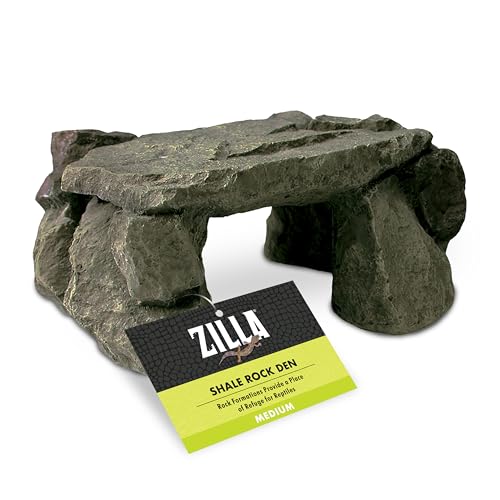
This item is 9” Long x 6.5” wide x 3.5” high and weighs 2.4 lbs
Do Lizards Stay in One Place?
Lizards often remain in one area, but this behavior depends on various factors. Understanding their habits helps clarify why they might seem stationary.
Habitat Preferences
Lizards select habitats that offer both warmth and shelter. You might find them basking on rocks or sunning themselves on logs. Temperature influences their movement. For example, they stay in one spot during the warmest parts of the day to absorb heat.
Territorial Behavior
Many lizard species are territorial. Males often defend areas to attract females and repel other males. If a spot provides food and warmth, they defend it aggressively. For instance, a male green anole might claim a section of your garden, returning repeatedly to maintain his territory.
Feeding Patterns
Though lizards can stay in one place, they do move around for food. They forage for insects or plant matter, staying close to preferred areas. For instance, a leopard gecko will explore a small section of its habitat in search of crickets, but it often returns to its favored basking spot.
Seasonal Changes
Lizards adapt their behavior with the seasons. In cooler weather, they may remain in one spot more often, using burrows or crevices to conserve heat. In warmer months, their activity increases, and they might venture out more frequently.
Social Interactions
Lizards can display varied responses to social cues. When feeling threatened, they may freeze or stay hidden, making it appear that they’re stationary. Observing them can reveal their dynamic interactions with other lizards or predators.
While lizards can stay in one place for warmth, territory, or food, their movement patterns are influenced by environmental factors and social dynamics. Understanding these behaviors provides insight into their fascinating lives.
Factors Influencing Lizards’ Behavior
Lizards exhibit fascinating behaviors influenced by various factors. Understanding these influences provides clarity on why lizards may seem stationary at times.
Habitat Preferences
Lizards thrive in specific habitats offering shelter, warmth, and food. You’ll often find them in areas like rocky outcrops, forests, or deserts. These environments provide necessary resources such as hiding spots from predators and abundant insects. For instance, the common green lizard prefers grasslands, while the desert iguana favors arid regions. Knowing the habitat preferences helps explain why lizards stay in one area; they seek environments that meet their survival needs.
Temperature and Climate Impact
Temperature greatly affects lizards’ behavior. You’ll notice that lizards bask in sunlight to regulate their body temperature. This helps them remain active and agile. When it’s too cold, lizards may become lethargic and stay hidden to conserve energy. Changes in climate, like seasonal shifts, can drive lizards to alter their behaviors. For example, during winter months, some species enter a state of brumation, reducing movement and remaining in one place. Understanding these temperature and climate influences clarifies lizards’ stationary nature.
Different Species and Their Movement Patterns
Lizard movement varies significantly among species, with each adapting to its environment’s specific demands. Understanding these patterns helps appreciate their unique behaviors.

✅【Wide Application 】- The Reptile Terrariums is water tight and can hold water.Comes with tweezer,feeding bowl and spray bottle.Suitable for ecological rainforest terrariums, amphibious animal, breeding lizards, tortoise, chameleon, snake, milk frog, clown frog, jumping spider, turtle, grandis, morelia viridis, snake, gecko, bearded dragon, ball python, leopard, king snake, anole, hermit crabs

✅【Wide Application 】- The Reptile Terrariums is water tight and can hold water.Perfectly used as insect cage, small fish tank,tarantula enclosure,hermit crab tank, jumping spider enclosure, iguana cage,tortoise habitat,reptile cage ,bug cage ,bearded dragon tank,bug box,reptile carrier, reptile enclosure ,plastic terrarium,gecko tank ,plastic fish tank,lizard tank,snail terrarium,spider terrarium,hermit crab cage,frog cage, snake cage,turtle tank,frog tank,fish breeder box,bug container

Complete 26-Piece Desert Habitat Set Create a coordinated desert wasteland terrarium with a woven hammock, reptile hide, water dish, skull accents, desert plants, hanging vine, climbing branch and suction cups. A full reptile tank accessories set for building a more finished enclosure.
Terrestrial Lizards
Terrestrial lizards, like the common garden lizard and the horned lizard, primarily inhabit the ground. These species often exhibit a more sedentary lifestyle due to their reliance on camouflage. They enjoy basking in the sun on rocks or logs, which provides necessary warmth. While they may seem stationary, they actively patrol their territory to hunt insects or defend their area.
- Common garden lizard: Moves several feet to find food but generally stays close to its basking spots.
- Horned lizard: Remains still for extended periods to avoid detection, relying on well-camouflaged patterns.
- Komodo dragon: Covers larger distances in search of prey, showing an adaptive movement pattern linked to hunting.
Arboreal Lizards
Arboreal lizards, such as the green anole and the chameleon, thrive in trees and shrubs. These species navigate vertical spaces, exhibiting more active movement compared to their terrestrial counterparts. Their climbing abilities allow them to escape predators and find food sources.
- Green anole: Frequently climbs and jumps between branches, often using its green color to blend into the foliage.
- Chameleon: Moves slowly to camouflage itself, often changing colors for communication and temperature regulation.
- Basilisk lizard: Known for its ability to sprint across water, showcasing unique movement adaptability.
Understanding these movement patterns highlights the complexity of lizard behavior, reinforcing that their apparent stillness often masks their active lives.
Observational Studies and Findings
Research on lizards reveals fascinating insights into their movement patterns and habitat preferences. Studies show that lizards often occupy specific territories, significantly impacting their behavior. This section highlights key research findings and case studies for a deeper understanding.
Research on Lizards’ Range
Studies indicate that the range of lizards varies widely across species and environments. Some lizards, such as the Eastern fence lizard, demonstrate territorial behavior, claiming areas of up to 0.1 acres. Others, like the skinks, range across larger areas, often venturing several hundred meters in search of food. Mark-recapture studies show these movement patterns depend on resource availability, temperature, and social dynamics. Tracking studies using radio telemetry have illustrated that individuals may extend their range during breeding seasons or warmer months, underscoring their need for spatial adjustments in response to environmental factors.
Case Studies of Specific Species
Research highlights diverse movement patterns among various lizard species, demonstrating how each adapts to its environment.
- Common Garden Lizard (Ptyodactylus hasselquistii): This species exhibits a predominantly sedentary lifestyle. Studies show they maintain home ranges of 5-10 square meters. They rely on camouflage and sun exposure to regulate body temperature while defending their territories from rivals.
- Green Anole (Anolis carolinensis): Green anoles are more mobile, often darting up trees and shrubs. Research indicates they can cover distances of up to 100 meters when foraging for insects. Their activity peaks during warm weather, showcasing an adaptive movement to optimize feeding opportunities.
- Chameleon (Chamaeleonidae family): Chameleons are known for their specialized movement. They exhibit a unique ability to change color and display dynamic movement when hunting. Observations reveal they can cover similar distances as green anoles while navigating their arboreal habitats.
These case studies illustrate the complexity of lizard behavior, revealing that while some species appear sedentary, they exhibit unique adaptive strategies based on environmental demands and social interactions.
Conclusion
Lizards might seem like they’re just lounging around but there’s so much more going on beneath the surface. Their behavior is shaped by a mix of environmental factors and social dynamics. Whether they’re basking in the sun or defending their territory they’re constantly adapting to their surroundings.
Next time you spot a lizard soaking up the rays don’t assume it’s just being lazy. Remember that it’s playing an essential role in its ecosystem while navigating its unique habitat. So keep an eye out and appreciate the fascinating lives these creatures lead even if they seem to stay in one place for a while.
Frequently Asked Questions
Why do lizards bask in the sun?
Lizards bask in the sun to regulate their body temperature. As cold-blooded reptiles, they need heat to function properly, and soaking up sunlight helps them warm up. This behavior also assists in digestion and overall health.
Are lizards really lazy?
No, lizards are not lazy. While they may appear stationary, they are actively engaged in behaviors like basking, feeding, and defending their territory. Their seemingly idle moments are often strategic for survival.
How do habitat preferences affect lizard behavior?
Lizards prefer habitats that offer warmth, shelter, and food. They often bask on rocks or logs for heat and stay in familiar areas to ensure access to resources. Their behavior is shaped significantly by their environmental context.
Do all lizard species move the same way?
No, movement varies greatly among lizard species. Some, like garden lizards, are more sedentary and rely on camouflage, while others like chameleons are more active and climb to evade predators and find food.
What role do seasonal changes play in lizard activity?
Seasonal changes can trigger lizards to enter brumation, a state similar to hibernation. During colder months, their activity decreases, leading them to stay in one area longer, which can explain their seemingly inactive behavior.
How territorial are lizards?
Many lizard species are territorial, especially males. They defend specific areas to attract females and secure essential resources, which impacts their movement and behavior significantly within their claimed territories.
What are some specific movement patterns of lizards?
Lizard movement patterns are influenced by species and their environment. For example, garden lizards maintain small home ranges, while others like skinks may travel hundreds of meters to forage. This diversity shows unique adaptations for survival.
