

Key Takeaways
- Understanding House Geckos: House geckos are common but can become unwanted guests; they help control pests but may pose cleanliness and health concerns.
- Identifying Infestations: Look for visibility of geckos, droppings, eggs, and vocalizations to confirm their presence in your home.
- Effective Removal Strategies: Use natural remedies like essential oils and garlic, alongside physical barriers and humane traps to remove and prevent geckos.
- Home Maintenance: Seal cracks, reduce clutter, and maintain cleanliness to deter geckos from entering your living space.
- Landscaping Tips: Trim vegetation, limit outdoor lighting, and eliminate standing water to reduce insect populations and make your property less appealing to geckos.
Have you ever found yourself startled by a little gecko scurrying across your wall? If you’re tired of sharing your home with these tiny lizards, you’re not alone. Many people face the same challenge, wondering how to keep their living spaces gecko-free without harming them or the environment.
In this article, you’ll discover practical tips and tricks to evict those unwelcome guests. From simple prevention methods to humane removal techniques, you’ll learn how to reclaim your space while keeping your home safe and comfortable. Whether you’re dealing with a few geckos or a full house invasion, you’ll find solutions that work for you.

REPELS LIZARDS, GECKOS & IGUANAS – Natural Armor Lizard Repellent Spray uses a powerful peppermint formula to help repel lizards, geckos and iguanas from treated areas. Ideal for patios, porches, pool decks, garages, foundations, sidewalks, driveways, gardens and other outdoor living spaces.

Natural Essential Oil Formula: Powered by peppermint, cinnamon, and cedarwood oils that create a scent barrier lizards and geckos hate. Repels naturally without harsh chemicals or toxins.

Pet-Friendly & Family-Safe Formula – Mighty Mint is a top pick for pet parents looking for a natural pest control solution. Safe to use around dogs, cats, and kids when applied as directed—no harsh fumes or dangerous chemicals, just powerful peppermint protection you can trust.
Understanding House Gecko Lizards
House gecko lizards are common household visitors. They play beneficial roles in controlling pests but can become unwanted guests in your home.

IDEAL BLACKTOP — Sikaflex black self-leveling caulk is the perfect choice for filling cracks and gaps in asphalt driveways, pavements, walkways, and similar surfaces

FOR SEALING CRACKS AND JOINTS — Sika Pro Concrete Fix offers exceptional adhesion and elasticity, creating strong bonds that resist tearing and cracking and can maintain a ±35% joint movement range

TIGHT, WATERPROOF SEALS — Sika self-leveling sealant provides an ideal solution for cracks found in concrete pavement, driveways, walkways, terraces, decks, and other horizontal surfaces
Common Types of House Geckos
- Tropical House Gecko (Hemidactylus mabouia)
This gecko thrives in warm climates and features a brown or grey body with lighter spots. It prefers urban areas.
- Common House Gecko (Hemidactylus frenatus)
Known for its somewhat translucent skin, this species can often be found in tropical regions, frequently displaying a greenish hue.
- Mediterranean House Gecko (Hemidactylus turcicus)
This species showcases a distinctive pattern of yellow and brown spots, favoring buildings and outdoor areas.
Habitat and Behavior
House geckos prefer warm environments. They thrive in areas with ample food sources like insects. You’ll often spot them in crevices, under furniture, or on walls. Geckos are nocturnal, meaning they’re most active during the night, which aids in their hunting.
House geckos communicate using vocalizations. They produce chirps or clicks as mating calls or to establish territory. These behaviors can often be heard in quiet spaces, especially during warmer months.
When it comes to reproduction, female geckos lay one to two eggs at a time. They typically do this multiple times each year, which can lead to rapid population growth within your home. Understanding this behavior aids in preventing infestations.
Identifying Gecko Infestation
Detecting a gecko infestation early helps you manage the problem effectively. Look for specific signs to confirm their presence.
Signs of Infestation
- Visibility: Spotting geckos during the evening is common. These small lizards often scurry along walls or ceilings.
- Droppings: Look for droppings, which resemble small black pellets. They’re typically found near feeding areas or sleeping spots.
- Eggs: Discovering small, white egg cases can indicate reproduction. Female geckos lay eggs in hidden places.
- Vocalizations: Listen for clicking or chirping sounds, especially at night, which signals their presence.
Impact on Your Home
Geckos may bring both positive and negative impacts to your home. Understanding these helps shape your response.
- Pest Control: They consume insects like mosquitoes and flies, providing a natural pest-control solution.
- Health Concerns: Geckos can carry bacteria in their droppings. Their waste can lead to cleanliness issues and health risks.
- Property Damage: While geckos generally don’t cause significant structural damage, their droppings can stain walls and furniture.
- Sense of Unsettling: A visible gecko might induce fear or anxiety in some people. This can reduce your comfort in your living space.
Identifying these signs and impacts will prepare you for the next steps in managing gecko populations effectively.
Effective Methods to Get Rid of House Gecko Lizards
Utilizing effective methods to eliminate house gecko lizards can create a more comfortable living environment. Here are several strategies you can implement.

Thickened Silicone Material-Heat And Cold Resistant:Door Draft Stopper is made of pure silicone material, easy to bend and deform.Smooth surface, high resilience.Draft Stopper for Bottom of Door puts up with all the abuse, it has no "compression memory", wont't damage the floor, and is pliable enough that you can easily still open the door along the crooked floor and against daily wear
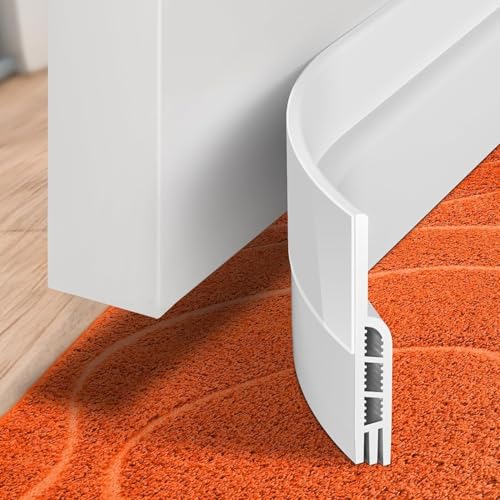
Robust adhesion: door draft stopper, Sheets, rolls & strips, 41inch length by 2inch width, filling gaps up to 1 inch, equipped with exceptionally strong adhesive that remains intact over time, ensuring a secure bond for enduring door protection; If you have doubts about the size and color of the product, you can consult our customer service before purchasing

The Aluminum solution to under door gaps: our 2 pieces of metal door mouse stopper are crafted from aluminum, boasting sturdiness and durability Measured at a length of about 36 inches and a height of about 2 inches, the metal door sweep is designed to effortlessly cover gaps up to about 1.5 inches offering a reliable solution in maintaining your room temperature
Natural Remedies
- Essential Oils: Mix water with essential oils like peppermint or eucalyptus. Spray this mixture around entry points and potential hiding places. Geckos find these scents unpleasant and may avoid treated areas.
- Garlic: Use crushed garlic mixed with water as a spray in corners and crevices. The strong odor deters geckos without harming them.
- Coffee Grounds: Spread used coffee grounds in areas where geckos frequent. Many geckos dislike the smell and will be discouraged from returning.
Chemical Solutions
- Commercial Repellents: Purchase lizard repellents at hardware stores. These products often contain scents or chemicals that deter geckos. Always follow label directions for proper use.
- Insecticides: Use insecticides if pest issues attract geckos. Treating infestations can significantly reduce gecko food sources and discourage them from taking residence.
- Trap and Release Kits: Consider traps that allow for humane removal. Place bait inside the trap to capture the gecko live, then release it far from your home.
Physical Barriers
- Seal Entry Points: Inspect your home for gaps or cracks around windows and doors. Use caulk or weatherstripping to close these openings effectively.
- Mesh Screens: Install fine mesh screens on windows and vents to prevent geckos from entering while still allowing ventilation.
- Lighting Control: Reduce outdoor lighting, which attracts insects—food sources for geckos. Use yellow-toned lights in outdoor fixtures, as they are less attractive to bugs.
Implementing these methods can help you maintain a gecko-free environment in your home.
Preventing Future Infestations
Taking proactive steps helps keep house gecko lizards away from your home. Implementing home maintenance and landscaping strategies reduces the likelihood of future infestations.
Home Maintenance Tips
- Seal Cracks and Gaps: Inspect your home for cracks or openings. Caulk these spaces to block entry points for geckos.
- Install Weather Stripping: Add weather stripping to doors and windows. This minimizes gaps that allow geckos access.
- Reduce Clutter: Keep indoor spaces tidy. Remove items that provide hiding spots for geckos, such as cardboard boxes or piles of clothing.
- Regular Cleaning: Sweep and vacuum regularly to eliminate food sources like insects and dust. This discourages geckos from entering for a snack.
- Use Screens: Ensure all windows and vents have tight-fitting screens. Screens prevent geckos from entering while allowing fresh air inside.
Landscaping Strategies
- Trim Vegetation: Keep shrubs and trees trimmed. Overhanging branches can provide pathways for geckos to reach your home.
- Create a Barrier: Use stones or gravel around the foundation. This discourages geckos from approaching your home as they prefer soft, humid ground.
- Limit Outdoor Lighting: Use yellow or sodium vapor lights instead of white lights. These types of lighting attract fewer insects, which means fewer food sources for geckos.
- Remove Standing Water: Eliminate areas of stagnant water to reduce insect populations. With fewer insects, geckos lose a food source and avoid your property.
- Plant Repellent Flora: Consider planting herbs like mint or basil. These plants naturally repel insects, indirectly reducing gecko attraction.
By following these tips, you enhance your home’s defenses against future gecko invasions.
Conclusion
Taking control of your home from house gecko lizards can feel like a challenge but it’s totally doable. By using humane removal techniques and implementing effective prevention strategies you can create a comfortable space for yourself while keeping these little visitors at bay.
Remember to stay proactive by sealing entry points and maintaining a tidy environment. With a bit of effort you can enjoy a gecko-free home and the peace of mind that comes with it. Happy homekeeping!
Frequently Asked Questions
What are the main types of house geckos?
House geckos often encountered include the Tropical House Gecko, Common House Gecko, and Mediterranean House Gecko. Each type has distinct appearances and preferred habitats, usually thriving in warm environments.
How can I tell if I have a gecko infestation?
Signs of a gecko infestation include seeing them at night, finding droppings that look like small black pellets, noticing small white egg cases, and hearing vocalizations like clicking or chirping sounds.
Are geckos harmful to my home?
While geckos can help control pests, their droppings may carry bacteria, potentially leading to health concerns. They can also cause stains on surfaces and disturb people’s peace of mind.
What natural methods can I use to deter geckos?
To repel geckos naturally, consider using essential oils, garlic, or coffee grounds. These substances can help create an environment less enticing for geckos without harmful chemicals.
What are effective ways to prevent gecko infestations?
Prevent geckos by sealing cracks and gaps, reducing indoor clutter, and maintaining cleanliness to eliminate food sources. Outside, trim vegetation, limit outdoor lighting, and plant repellent flora.
How do I remove geckos humanely?
Humane removal can include gently capturing them with a container and releasing them outside. Always be cautious and gentle to avoid causing harm while relocating these creatures.
When are house geckos most active?
House geckos are primarily nocturnal, meaning they are most active during the night. This behavior makes them more visible when it’s dark, often leading to sightings in homes after sunset.
Do geckos reproduce quickly?
Yes, female geckos can lay eggs multiple times a year, which allows their populations to grow rapidly. Early detection and intervention are essential to manage these populations effectively.
