

Are you wondering if potting soil is a good choice for your leopard gecko’s habitat? Many reptile owners face the same question when setting up a comfortable and safe environment for their pets. With so many options available, it can be tough to figure out what works best.
Key Takeaways
- Leopard Gecko Habitat Requirements: Create a warm and dry habitat with temperature gradients, proper substrate, hiding spots, and controlled humidity levels to mimic their natural arid environments.
- Potting Soil Composition Matters: Choose potting soil carefully to avoid excessive moisture retention, which can lead to respiratory issues; opt for mixes with balanced organic and inorganic materials.
- Types of Potting Soil: Consider options like cactus mix for excellent drainage, organic potting mixes with caution, and other materials like pine bark fines and coconut coir for suitable moisture control.
- Benefits of Moisture Management: The right potting soil can retain essential moisture levels, contributing to a healthy habitat while preventing damp conditions harmful to leopard geckos.
- Potential Risks to Avoid: Watch out for chemical additives in potting soil that can harm your gecko, and monitor for mold and bacterial growth that thrive in overly moist conditions.
- Safe Alternatives: Coconut fiber and fine, non-toxic sand are excellent alternatives to potting soil, providing safe, enriching environments without the associated risks.

IDEAL FOR TROPICAL AND FOREST HABITATS, this reptile substrate provides soft, organic texture and moisture retention Ideal for: frogs, rainforest geckos, toads, snakes and more


IDEAL FOR DESERT-DWELLING REPTILES: specifically designed for adult bearded dragons, uromastyx, desert skinks, monitors, leopard geckos, and more
Overview of Leopard Gecko Habitats
Leopard geckos thrive in arid environments, mirroring their natural habitats. These small lizards are native to deserts in Asia and the Middle East, where they find shelter in rocky crevices and underbrush.
Habitats need to mimic these conditions closely. Here are key features to consider:

【Create a Lush Jungle Habitat】Transform a plain terrarium into a fuller, more natural-looking habitat with layered greenery, climbing pieces, and cozy hideaway areas. This habitat decor set helps create an engaging space for reptiles and small pets to climb, hide, rest, and explore

Package includes: This comprehensive set includes 1 natural coconut shell hideout, 1 flexible bendable bridge, 1 reptile climbing vine, 1 hanging artificial plant, 1 decorative leaf, and 3 pieces of water grass. Everything you need to create a natural and engaging environment for your pet in one package

[Unique Sight]: Reptile Basking Platform for It perfectly simulates a natural cave environment. This hideout provides your leopard gecko the perfect safe zone where it can get away from prying eyes. Adding more fun to their lives gives them security and a place to flee from stress
Temperature
Leopard geckos require a gradient of temperatures, with a warm side around 90°F (32°C) and a cooler side around 75°F (24°C). This gradient allows them to regulate their body temperature effectively.
Substrate
Selecting the right substrate is crucial. You can choose from several options. Natural substrates include aspen shavings or reptile carpet, which provide safe surfaces for your gecko. Avoid substrates like sand or clay, as these can cause health issues if ingested.
Hiding Spots
Providing hiding spots enhances their sense of security. You can use items such as caves, logs, or plant hides to create a cozy environment. These hiding spots help reduce stress and mimic their natural behavior.
Humidity
Maintaining proper humidity levels is necessary but doesn’t require excessive moisture. Keeping humidity around 20-40% creates ideal conditions. Ensure the enclosure has a shallow water dish for drinking while monitoring humidity levels.
Lighting
Leopard geckos are nocturnal and don’t require UVB lighting. However, a light source that’s easy on the eyes can support their visual needs. Aim to keep their environment well-lit during the day with a gentle daylight bulb.
Accessories
Adding branches, rocks, and other decorations provides enrichment. These items simulate their natural surroundings and promote exercise. Just ensure all items are secure to prevent accidents.
Creating a suitable habitat will enhance your leopard gecko’s well-being. Focusing on these aspects ensures a thriving environment where your gecko can live happily and healthily.
Understanding Potting Soil
Potting soil might seem like a simple choice for your leopard gecko’s habitat, but its composition and type matter. Selecting the right potting soil contributes to your gecko’s comfort and health.
Composition of Potting Soil
Potting soil often contains organic materials, such as peat moss, bark, and compost. These components help retain moisture and provide nutrients for plants. However, these same elements can hold excessive moisture in a reptile habitat. Excess moisture harms leopard geckos, leading to health issues like respiratory infections.
When choosing potting soil, look for mixes that feature a balance of organic and inorganic materials. Inorganic ingredients like sand, perlite, or clay help improve drainage and minimize moisture retention. Always check the label for additives like fertilizers or chemicals, which can be harmful to your leopard gecko.
Types of Potting Soil Available
You’ll find various types of potting soil on the market. Each type has unique characteristics beneficial or detrimental to your gecko’s environment.
- Cactus Mix: Designed for desert plants, cactus mix contains a higher percentage of sand and is excellent for drainage. It replicates the dry substrate found in your gecko’s natural habitat.
- Organic Potting Mix: This mix includes natural materials like peat but might retain too much moisture. Use cautiously and monitor humidity levels closely.
- Pine Bark Fines: Made from shredded pine bark, this option offers excellent drainage. It provides a soft surface but should be checked for molds or fungi.
- Coconut Coir: Derived from coconut husks, coir retains moisture but drains well. It resembles natural soil but monitor moisture levels regularly.
Select a type that best suits your leopard gecko’s needs while being mindful of moisture retention. Always consider your pet’s health when choosing any substrate.
Benefits of Using Potting Soil for Leopard Geckos
Using potting soil for leopard geckos offers distinct advantages. The right soil can create a comfortable environment that mimics their natural habitat.
Moisture Retention
Moisture retention is key in a leopard gecko’s habitat. Potting soil with good moisture management allows for comfortable humidity levels. If the soil retains too much water, it risks creating a damp environment, which can harm your gecko. Look for potting mixes designed to manage moisture effectively, such as cactus mixes, which provide adequate drainage while retaining some moisture. This balance helps maintain a safe environment for your pet.
Nutrient Content
Nutrient content plays a role in your gecko’s overall health. Potting soil often contains organic materials that contribute to a stable ecosystem within the enclosure. Some nutrients can facilitate beneficial bacteria growth, aiding in waste breakdown. When selecting potting soil, choose organic mixtures balanced with inorganic elements, which provide additional structure. This ensures your gecko benefits from its environment without overwhelming its habitat with excess nutrients.
Risks of Using Potting Soil for Leopard Geckos
Using potting soil for leopard geckos comes with potential risks that every pet owner should know. Understanding these risks can help ensure a safer environment for your gecko.

PROMOTES HEAT AND MOISTURE TRANSFER; this product facilitates the transfer of heat and moisture within the terrarium, creating an environment conducive to the needs of tropical and forest-dwelling reptiles
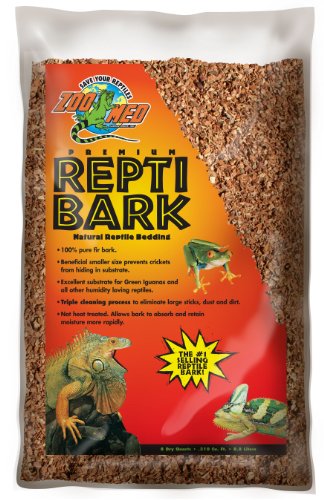
Reusability: This substrate can be washed and used multiple times, providing long-term value for your terrarium setup

All Natural and Safe for Reptiles – Made from real cork trees, this natural cork bark is free from chemicals and safe for all reptiles, amphibians, and birds. The lightweight yet durable material makes it perfect for climbing, hiding, and enhancing your pet’s habitat.
Chemical Additives
Potting soil often contains chemical additives that can harm leopard geckos. These additives may include fertilizers, pesticides, or herbicides, all of which can be toxic. Check the product label for any harmful substances. Opt for organic potting soil without added chemicals. This step reduces the risk of chemical exposure that can lead to health issues in your pet.
Molding and Bacterial Growth
Potting soil can retain moisture, which increases the chances of molding and bacterial growth. High humidity levels encourage mold development, posing health risks such as respiratory infections. If you notice an unusual smell or mold on the soil, replace it immediately. Regularly monitor humidity levels in the enclosure, and consider mixing potting soil with materials that improve drainage. Using products like coconut coir or sand can help reduce excess moisture and combat harmful bacteria. Keeping your leopard gecko’s habitat clean and dry promotes a healthier environment.
Alternatives to Potting Soil
Consider various alternatives when selecting substrate for your leopard gecko’s habitat. These options provide safe, suitable environments without the risks associated with potting soil.
Coconut Fiber
Coconut fiber, or coconut coir, serves as an excellent substrate. It offers good moisture retention while allowing for drainage, keeping humidity levels suitable. This material mimics natural habitats and provides a comfortable burrowing space. For best results, mix coconut fiber with sand to improve texture and facilitate easy cleaning. When using coconut fiber, monitor moisture levels, ensuring it doesn’t become overly damp.
Sand Substrates
Sand substrates also work well for leopard geckos. Choose fine, non-toxic sand specifically designed for reptiles. This substrate allows for excellent drainage and helps prevent mold growth. Sand encourages natural behaviors, such as digging, which benefits your gecko’s overall well-being. Regularly clean and change the sand to maintain hygiene and prevent any bacteria buildup. Additionally, test sand moisture after cleaning to maintain a comfortable environment.
Conclusion
Choosing the right substrate for your leopard gecko is crucial for their health and happiness. While potting soil can offer benefits like moisture retention and a natural feel, it’s essential to pick a type that’s free from harmful chemicals. Keeping an eye on humidity levels and mixing with other materials can help create a balanced environment.
Don’t forget to explore other options like coconut coir or fine sand that can also provide a safe and comfortable space for your gecko. With a little research and care, you can create a thriving habitat that mimics their natural surroundings, ensuring your leopard gecko stays healthy and content. Happy habitat building!
Frequently Asked Questions
What should I consider when selecting potting soil for my leopard gecko’s habitat?
When choosing potting soil for your leopard gecko, prioritize drainage and moisture retention. Look for mixes with organic and inorganic materials to achieve the right balance. It’s also essential to avoid any soil with chemical additives, as these can be harmful to your pet.
Is using regular potting soil safe for leopard geckos?
Regular potting soil can be risky for leopard geckos due to potential chemical additives like fertilizers and pesticides. Opt for organic potting soil specifically designed for reptiles to minimize health risks and ensure a safe environment.
What are the best types of potting soil for leopard geckos?
The best types of potting soil for leopard geckos include cactus mix, organic potting mix, and coconut coir. These options provide good moisture management and drainage, creating a comfortable and safe habitat that mimics their natural environments.
How does potting soil affect humidity levels in a leopard gecko habitat?
Potting soil that retains moisture helps maintain comfortable humidity levels while avoiding overly damp conditions. Properly balanced potting soil contributes to a stable ecosystem within the enclosure, benefiting your leopard gecko’s health.
Can potting soil lead to health issues in leopard geckos?
Yes, improper potting soil can cause health issues such as respiratory infections from mold or bacteria due to excess moisture. Additionally, chemical additives may be toxic. Always choose safe, organic mixes and monitor humidity levels regularly.
Are there alternatives to potting soil for leopard gecko substrates?
Yes, alternatives include coconut coir and fine, non-toxic sand. Coconut coir offers good moisture retention, while sand encourages natural digging behaviors. Mixing coconut coir with sand can provide an ideal texture and drainage solution for leopard geckos.
How often should I monitor the soil in my leopard gecko’s habitat?
Regularly monitor the soil at least once a week. Check for moisture levels and signs of mold or bacterial growth. This will help maintain a clean and safe environment for your leopard gecko, promoting their overall health and well-being.
