

Have you ever wondered how long your bearded dragon can survive without UVB light? It’s a common concern for pet owners who want to keep their scaly friends healthy and happy. Whether you’re going on vacation or dealing with a temporary power outage, knowing the limits can help you make the right choices for your pet.
Key Takeaways
- UVB Light is Essential: Bearded dragons rely on UVB light for synthesizing vitamin D3, crucial for calcium absorption and overall health.
- Short-Term and Long-Term Absence: Typically, a bearded dragon can manage a few days without UVB; however, prolonged absence can lead to serious health issues like metabolic bone disease.
- Symptoms of UVB Deficiency: Signs include lethargy, reduced activity, decreased appetite, deformities, weight loss, and an unkempt appearance. Early identification is vital for corrective action.
- Alternative Care Strategies: When UVB light is unavailable, consider dietary supplements with calcium and vitamin D3, and ensure proper feeding practices to promote health.
- Best Practices for UVB Exposure: Position UVB bulbs correctly, monitor their lifespan, and provide occasional access to natural sunlight to mimic natural habitat conditions and ensure your bearded dragon’s well-being.

[2 Pack 10.0 UVB Bulbs] Voltage:110-130V, Base type: E26, Wattage: 23W. Each 23 Watt Desert UVB 10.0 CFL Reptile Bulb offers stable 10% UVB and 30% UVA output with no harmful UVC output.

☀️☀️Increased Brightness. Hygger Zoo uvb light is brighter than other UVB bulbs because of evenly distributed fluorescent powder and a high-tech circuit board. And the uva uvb reptile light bulb can simulate natural sunlight, your reptile pets will enjoy natural light in the comfort of their own home and feel like they are in the wild.
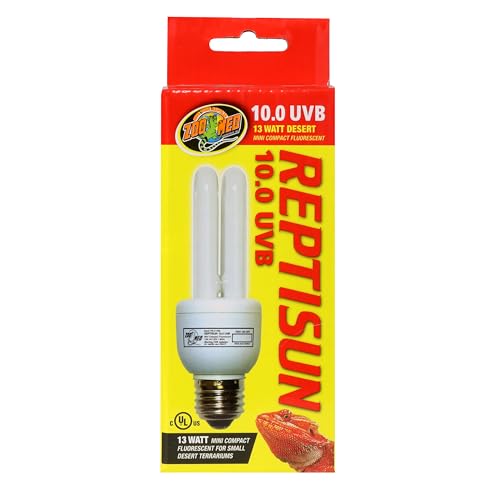
Perfect for all desert and basking reptiles
Understanding UVB Lighting
UVB lighting plays a crucial role in the health of bearded dragons. This type of ultraviolet light supports important physiological processes, ensuring your pet can thrive in a captive environment.
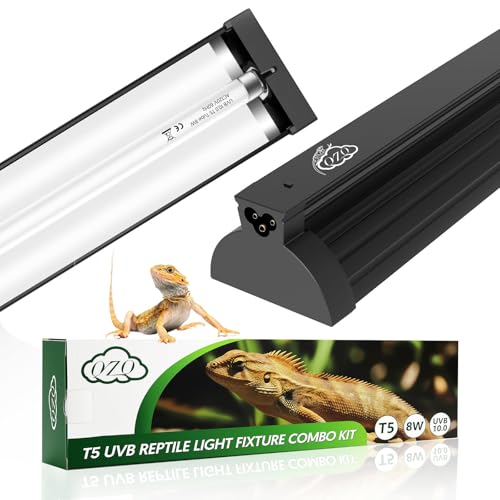
T5 UVB Reptile Light Fixture Combo Kit: The QZQ T5 UVB reptile light features a 5.9ft detachable power cord, a convenient on/off switch, and multiple mounting accessories for easy installation. Whether you're setting up a reptile tank or terrarium, this reptile light fixture meets your reptile lighting needs, providing your pets with the perfect 10.0 UVB lighting environment for healthy growth

High-Output T5 UVB Reptile Light Fixture Kit - The Haceryc UVB 10.0 Light for Reptile Kit delivers 10% UVB and 30% UVA output. This lighting system provides a naturally balanced illumination environment, ensuring your reptile receives sufficient UVB radiation to support optimal wellbeing. A premium UVB test card is included as a bonus—simply place the test card 3.5 inches (approximately 9 cm) away from the heating lamp, wait 10 seconds, and quickly check for ultraviolet radiation

Dual lamp cap integration design, each can bear Max 150W(suit for Reptile ceramic heat lamp, UVB UVA basking spot lamp, UVB lamp, daylight lamp, nightlight lamp, Infrared Spot Lamp, and so on)
Importance of UVB for Bearded Dragons
UVB light helps bearded dragons synthesize vitamin D3, which is essential for calcium absorption. Without sufficient UVB exposure, reptiles can experience metabolic bone disease, leading to lethargy, deformities, or even death. A proper UVB source significantly boosts your pet’s immune system and encourages natural behaviors, such as basking.
Successful UVB lighting requires the right type of bulb. The recommended UVB output is between 2% and 12%, depending on the species and age of your bearded dragon. Positioning the light within 12-18 inches above the basking area ensures your pet receives adequate exposure.
Consequences of UVB Deficiency
UVB deficiency can have immediate and long-term effects on your bearded dragon. Short-term effects include lethargy and lack of appetite. Long-term consequences are more severe; metabolic bone disease can lead to fractures, soft shells, and overall poor health.
Timely identification of UVB deficiency is essential. If your bearded dragon shows signs like shaking limbs or swollen jaws, it’s crucial to evaluate its UVB exposure. Adjust your lighting setup immediately to prevent irreversible damage.
Ensuring your bearded dragon gets enough UVB light is vital for maintaining its health and vitality. By closely monitoring their environment and lighting conditions, you help promote a long, healthy life for your pet.
Duration Without UVB
Understanding how long a bearded dragon can go without UVB light is crucial for its health. Prolonged absence of UVB dramatically affects your pet’s well-being and energy levels.
Short-Term Absence
Bearded dragons can typically manage short periods without UVB, such as a few days. During this time, you might notice slight changes. For example, your dragon could exhibit minor lethargy or reduced appetite. Immediate access to natural sunlight can help restore energy levels. Ensure your pet gets access to sunlight or substitute with proper UVB bulbs as soon as possible.
Long-Term Absence
Long-term absence of UVB spans weeks or more. Without consistent UVB exposure, your dragon faces serious health risks, including metabolic bone disease. This condition results from inadequate vitamin D3 synthesis and can cause deformities and weakness. After just a few weeks without UVB, symptoms like lethargy, irregular posture, and appetite loss may appear. If you can’t provide UVB for an extended period, consider consulting a veterinarian for advice on alternative care options.
Signs of UVB Deficiency
Recognizing UVB deficiency in bearded dragons is crucial for their health. Several signs indicate when your pet may not be getting enough UVB exposure.

Calcium supplement without Vitamin D3 is

Highly bio-available source of calcium carbonate
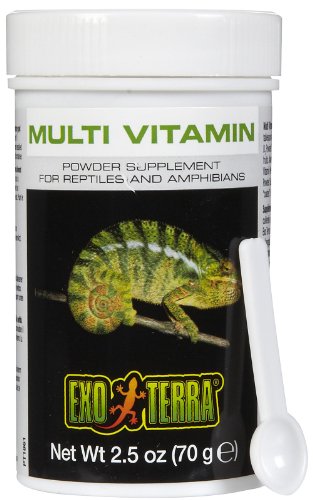
Comprehensive Multivitamin Formula: Packed with all essential vitamins, including vitamin A from beta-carotene, this supplement promotes healthy growth, reproduction, and optimal body functions for reptiles and amphibians
Behavioral Changes
- Lethargy: You might notice your bearded dragon becoming less active, spending more time hidden or resting.
- Reduced Activity: Activities like climbing, basking, and exploring may decline significantly.
- Decreased Appetite: A distinct drop in interest in food can occur, as your dragon may feel less energetic.
- Deformities: Look for irregular bone structure, including bent limbs or soft jaws, signaling metabolic bone disease.
- Weight Loss: Monitor for any noticeable weight reduction, which can be a sign of health deterioration.
- Unkempt Appearance: A dull or unhealthy-looking skin, with possible shedding issues, often indicates underlying health problems.
Identifying these signs promptly allows for necessary adjustments to your bearded dragon’s environment, ensuring they receive adequate UVB light for optimum health.
Providing Alternatives
Providing alternatives to UVB light is essential for maintaining your bearded dragon’s health when natural or artificial sources are unavailable. Consider both dietary supplements and best practices to ensure your pet receives adequate care.
Supplementation Options
Supplementing your bearded dragon’s diet with calcium and vitamin D3 can help mitigate the effects of limited UVB exposure. Look for calcium powders that include D3 and dust your dragon’s food with it. Using this supplement during feeding encourages healthier bones and overall well-being.
For specific absorption, choose high-quality products designed for reptiles, as they balance nutrients effectively. Administer these supplements a few times a week, especially when UVB sunlight or bulbs are unavailable. Providing treats like crickets, mealworms, or leafy greens rich in calcium ensures your pet receives vital nutrients.
Best Practices for UVB Exposure
To maximize UVB exposure, implement best practices with artificial lighting and environment placement. Position the UVB bulb within 12-18 inches of your bearded dragon’s basking area. Ensure the bulb output falls between 2% and 12%; this range is effective for calcium synthesis.
Monitor the bulb’s lifespan, as most UVB bulbs require a change every 6 to 12 months. Use a UV meter to check the intensity regularly, confirming that it’s within the ideal range.
In addition, provide occasional access to natural sunlight. A safe, enclosed outdoor environment allows supervised basking when possible. Ensure that your bearded dragon doesn’t overheat or escape. Following these best practices positively impacts your dragon’s health and mimics their natural habitat effectively.
Conclusion
Taking care of your bearded dragon means paying attention to their UVB needs. While they can manage without it for a short time, the risks increase significantly the longer they go without proper exposure. You want to avoid any health issues that could arise from UVB deficiency.
If you ever find yourself in a situation where UVB light isn’t available, remember that natural sunlight can be a great alternative. Always keep an eye on your dragon’s behavior and health, and don’t hesitate to reach out to a vet if you notice any concerning signs. By ensuring your pet gets the UVB they need, you’re setting them up for a happy and healthy life.
Frequently Asked Questions
How long can a bearded dragon survive without UVB light?
Bearded dragons can survive without UVB light for a few days with minor impacts like lethargy or reduced appetite. However, prolonged absence for weeks or more can lead to serious health risks, including metabolic bone disease.
What are the signs of UVB deficiency in bearded dragons?
Signs of UVB deficiency include lethargy, reduced activity, decreased appetite, deformities, weight loss, and an unkempt appearance. Recognizing these symptoms early is crucial for timely adjustments in care.
Why is UVB light important for bearded dragons?
UVB light is vital for bearded dragons as it supports vitamin D3 synthesis, enabling calcium absorption. Without it, they face risks like metabolic bone disease, which affects their overall health.
Can I use dietary supplements if UVB light is unavailable?
Yes, if UVB light is unavailable, dietary supplements containing calcium and vitamin D3 can help mitigate the effects of limited UVB exposure and support your bearded dragon’s health.
What type of UVB bulb should I use for my bearded dragon?
Use a UVB bulb with an output of 2% to 12%, depending on your bearded dragon’s age and habitat. Proper positioning of the bulb is essential for effective UVB exposure.
How can I maximize UVB exposure for my bearded dragon?
To maximize UVB exposure, ensure proper bulb placement, regularly monitor the bulb’s lifespan, and provide safe access to natural sunlight whenever possible.
